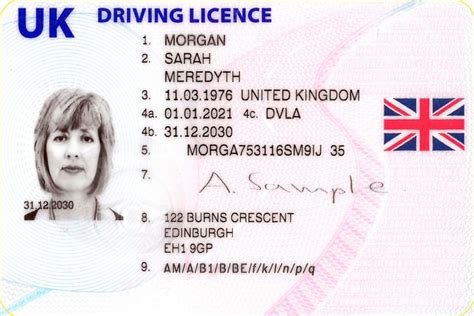
Getting a British driving licence (UK drivers licence) is a major milestone—whether you’re a teenager eager for independence, a newcomer to the UK, or an adult finally getting around to learning. The process is structured and straightforward, lets breakdown the key “4 steps to getting a British driving licence”.
This comprehensive guide walks you through every stage of the journey, from your first provisional licence application to holding that coveted pink full licence in your hand. Let’s get started.
Step 1: Apply for Your Provisional Driving Licence
Before you can take a single driving lesson, you need a provisional driving licence. This is your legal permission to learn to drive on UK roads under supervision.
Eligibility Requirements
To apply, you must meet the following criteria:
Documents You’ll Need
When applying, you’ll need to provide evidence of your identity. The easiest method is using a valid UK passport, as the DVLA can often use your passport photo and signature for your new licence. You’ll also need:
- National Insurance number (if you have one)
- Address history for the past three years
- A valid payment method (debit or credit card)
How to Apply and Costs
You have two options for applying:
- Online application – The quickest method. Visit the official GOV.UK website and create an account if you don’t already have one. The online application fee is £34.
- Postal application – Complete a D1 form (available from most Post Offices) and send it to the DVLA along with your supporting documents. The postal fee is £43.
Processing time: Online applications typically result in your licence arriving within 1–2 weeks. Postal applications may take longer.
Your provisional licence is valid for 10 years, so make sure you pass your tests before it expires.
Step 2: Learn to Drive
Once your provisional licence arrives, you’re legally allowed to get behind the wheel—but only under strict supervision.
The Rules for Learner Drivers
- Display L plates (or D plates in Wales) on the front and back of the vehicle. Driving without proper plates can result in up to 6 penalty points.
- Be supervised by a qualified driver who:
- Have valid learner driver insurance before practising in your own or a family member’s car
- Motorway driving is only permitted with an approved driving instructor in a dual-control car
Finding a Driving Instructor
Choosing the right instructor can make a huge difference to your learning experience and pass rate. Look for:
- DVSA-approved instructors – They display a green badge (ADI) or pink badge (PDI) in their windscreen.
- Good reviews and pass rates – Ask for recommendations or check online reviews.
- Teaching style compatibility – Some instructors specialise in nervous learners; others focus on fast-track learning.
Cost of Driving Lessons
Driving lesson prices vary depending on location, instructor experience, and whether you choose manual or automatic lessons.
| Lesson Type | Average Cost Per Hour |
|---|---|
| Manual lessons | £30–£35 |
| Automatic lessons | £32–£38 |
Money-saving tips:
- Block booking – Many instructors offer 5–10% discounts when you book and pay for multiple lessons upfront.
- Private practice – Practising with a family member or friend (who meets the supervision criteria) can significantly reduce the total number of professional lessons you need. The DVSA recommends around 45 hours of professional lessons plus 20 hours of private practice.
Total expected cost: The RAC estimates that learning to drive in the UK costs between £1,125 and £2,700 when factoring in lessons, tests, and other expenses.
Step 3: Pass the Theory Test
Before booking your practical test, you must pass the driving theory test. This computer-based exam assesses your knowledge of road rules, traffic signs, and hazard awareness.
Test Format and Pass Marks
The theory test consists of two parts, both of which must be passed in the same sitting:
| Test Part | Details | Pass Mark |
|---|---|---|
| Multiple-choice questions | 50 questions covering road signs, rules, and safety. You have 57 minutes to complete this section. | 43 out of 50 (86%) |
| Hazard perception | 14 video clips showing everyday road scenes. You must click when you spot a developing hazard. | 44 out of 75 |
How to Book and Costs
Book your theory test online through the official GOV.UK website. You’ll need:
- Your provisional driving licence number
- An email address for confirmation
- A credit or debit card for payment
The current fee for a car theory test is £23.
Preparation Tips
- Study the Highway Code thoroughly – It’s the foundation for all multiple-choice questions.
- Use official DVSA practice materials – The DVSA app and online practice tests closely mirror the real exam.
- Practise hazard perception clips – Timing is crucial. Regular practice helps you learn when to click without over-clicking.
- Take mock tests – Simulating the real test environment builds confidence and identifies knowledge gaps.
What happens after you pass? You’ll receive a pass certificate at the test centre. This certificate number is required when booking your practical test. Your theory test pass is valid for two years. If you don’t pass your practical test within that period, you’ll need to retake the theory test.
Step 4: Pass the Practical Driving Test
The practical driving test is the final hurdle. It assesses your ability to drive safely and independently in real-world conditions.
What to Expect
The test lasts approximately 40 minutes and includes:
- An eyesight check – You’ll be asked to read a number plate from 20 metres.
- “Show me, tell me” vehicle safety questions – One “tell me” question at the start and one “show me” question while driving.
- General driving ability – You’ll drive on various road types, including potentially dual carriageways.
- Reversing manoeuvre – You’ll be asked to perform one of several possible reversing exercises.
- Independent driving – Approximately 20 minutes following either sat-nav directions or traffic signs.
Booking and Costs
Book your practical test online through the GOV.UK website. You’ll need:
- Your UK provisional driving licence number
- Your theory test pass certificate number
- A credit or debit card
The current fee for a weekday car practical test is £62. Evening, weekend, and bank holiday tests cost £75.
Pass Rates and What They Mean
The national average pass rate for the UK practical driving test is approximately 48%—meaning just under half of all learners pass on any given attempt. First-time pass rates are slightly lower at around 48.3%.
Key takeaway: The test is challenging but not impossible. Many candidates fail due to common, avoidable mistakes. The Government has identified the top reasons for failure, including:
- Not using mirrors correctly when changing direction
- Poor observation at junctions
- Incorrect positioning when turning right
- Inappropriate speed
- Not responding correctly to traffic lights
How to Pass First Time
- Take a mock test with your instructor before the real thing.
- Know the test routes – Many instructors are familiar with local test routes and can help you practise tricky junctions.
- Don’t rush – A common mistake is trying to complete manoeuvres too quickly. Take your time and be methodical.
- Narrate your driving – Some learners find it helpful to quietly talk through what they’re doing; it can help calm nerves and demonstrate awareness.
- Get a good night’s sleep and eat something before your test—fatigue and hunger can impair concentration.
On test day: Arrive at the test centre at least 10 minutes early with your provisional licence and theory test pass certificate.
What Happens After You Pass?
Congratulations! Once you pass your practical test, the examiner will:
- Tell you immediately that you’ve passed.
- Give you a pass certificate.
- Ask if you want your provisional licence to be exchanged for a full licence automatically (this is the quickest option).
Your full UK driving licence will arrive by post, usually within 3 weeks.
The “New Driver” Rules
If you accumulate 6 or more penalty points within two years of passing your test, your licence will be revoked. You’ll have to apply for a new provisional licence and pass both theory and practical tests again.
Special Cases: Foreign Licence Holders
If you already hold a driving licence from another country, the process may be simpler.
To exchange a foreign licence, complete a D1 form (available from Post Offices offering DVLA services) and send it with supporting documents. The exchange fee is around £43 as of 2026.
Complete Cost Breakdown
Here’s a summary of what you can expect to pay at each stage:
| Item | Cost |
|---|---|
| Provisional licence (online) | £34 |
| Provisional licence (postal) | £43 |
| Theory test | £23 |
| Driving lessons (approx. 45 hours at £35/hour) | £1,575 |
| Practical test (weekday) | £62 |
| Practical test (evening/weekend) | £75 |
| Estimated total (excluding retakes) | £1,694–£1,760 |
Costs are estimates and may vary based on location and individual circumstances.
Frequently Asked Questions
Q: Can I drive as soon as I pass my test?
A: Yes, you can drive immediately after passing—even before your full licence arrives in the post. Keep your pass certificate with you.
Q: What if I fail my test?
A: You can book another test, but you must wait at least 10 working days. Use the time to practise the areas where you struggled.
Q: How long does the whole process take?
A: With regular lessons, most learners are test-ready within 6–12 months. Intensive courses can condense this to just a few weeks.
Q: Can I take my practical test in my own car?
A: Yes, provided the car meets DVSA requirements (including L plates, proper insurance, and a passenger seatbelt for the examiner).
Q: Do I need to pass my theory test before starting lessons?
A: No, you can start lessons with just a provisional licence. However, you must pass your theory test before booking the practical test.
Final Thoughts: Your Road to Freedom Starts Here
Getting a British driving licence requires time, money, and commitment—but the freedom and independence it brings are well worth the effort. By following this step-by-step guide and preparing thoroughly for each stage, you’ll give yourself the best possible chance of passing first time and hitting the road with confidence.
Remember:
- Apply for your provisional licence early (from age 15 and 9 months).
- Choose a DVSA-approved instructor who suits your learning style.
- Study for your theory test using official DVSA materials.
- Practise, practise, practise—both with an instructor and privately if possible.
- Stay calm and focused on test day.
We have a detail step by step article on our blog on; how to exchange your foreign drivers licence to UK licence .